
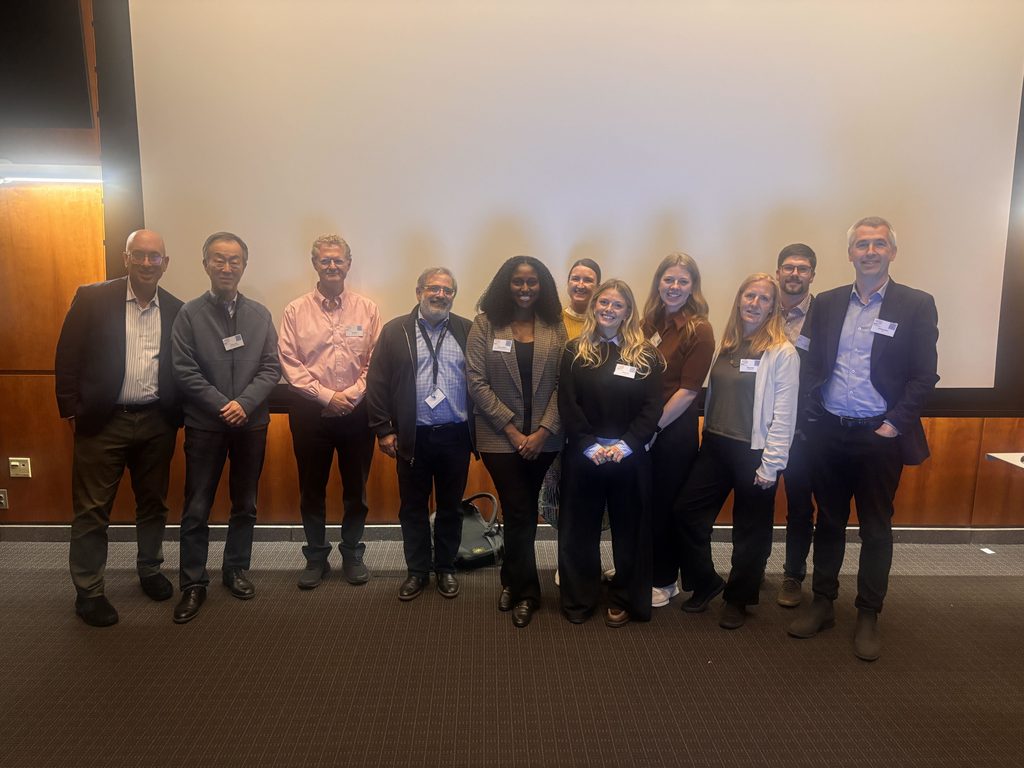
On the 7th of October 2026, GENFI co-hosted the annual Frontotemporal Dementia (FTD) Prevention Initiative (FPI) meeting in Philadelphia, ahead of the 15th International Conference on Frontotemporal Dementias. The meeting welcomed around 150 attendees from across the world, bringing together researchers, advocacy groups, charities and industry representatives to share the latest developments in FTD research and clinical trials. This year’s meeting focused on key lessons learned from clinical trials in genetic FTD and the next steps for advancing the field.
What is The FPI?

The FTD Prevention Initiative (FPI) is a global collaboration working to improve our understanding of FTD and accelerate the development of treatments. Established over a decade ago by Professor Jonathan Rohrer and Dr Adam Boxer, the FPI brings together more than 5,000 participants and 250 researchers across 10 international research cohorts.
The initiative supports international data sharing and aims to improve clinical trials by developing consistent ways to measure FTD symptoms and track disease progression.
To find out more about the FPI, visit their website linked here.
FPI Disease Progression Modelling and Genetic Research Updates
The meeting began with updates on progress made over the past year. Dr Adam Staffaroni presented research modelling how FTD progresses over time and how this could help improve the design of future clinical trials.
Dr Rosa Rademakers shared findings from genetic research, including work exploring relationships between families affected by FTD. She also discussed how variations in a gene called TMEM106B may influence the age at which symptoms develop in people with inherited FTD caused by mutations in the progranulin gene (GRN). You can read more about this research here.
Progress towards clinical trials for MAPT-FTD

Linde Jacobs, who leads research at Cure MAPT FTD, an advocacy organisation dedicated to finding treatments for inherited FTD caused by changes in the MAPT gene, gave a moving presentation about the organisation’s mission and its work to turn personal experience into action and community support.
She also introduced the Cure MAPT FTD Digital Cabinet, an online database where families affected by MAPT-related FTD can register and contribute information to support future research.
This was followed by a heartfelt talk from Bradford Grems, who shared his personal experience of FTD and reminded attendees why this research is so important for affected individuals and families. You can read Bradford’s story here or learn more about Cure MAPT FTD here.
Dr Adam Boxer, from the University of California, San Francisco (UCSF), then discussed progress towards clinical trials for MAPT-related FTD. He highlighted research into treatments that aim to reduce tau, a protein that builds up abnormally in certain neurodegenerative diseases. Drawing on research in Alzheimer’s disease and progressive supranuclear palsy (PSP), he discussed the potential of tau-targeting treatments and plans for future trials in MAPT-related FTD.
Lessons learned and pathways forward in GRN-FTD
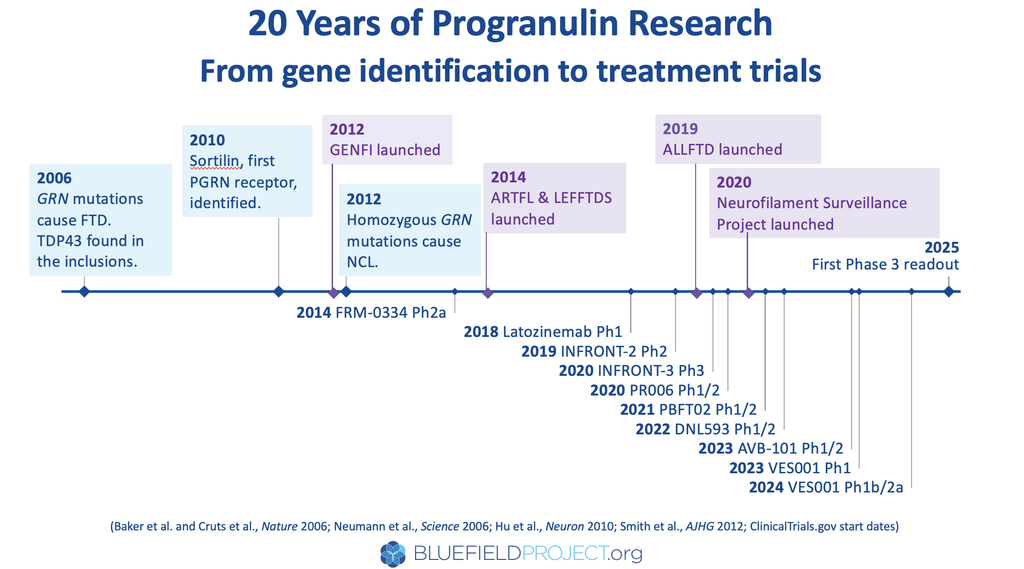
Dr Laura Mitic, from the Bluefield Project, reflected on how FTD research has evolved over the past 20 years, highlighting the important role of observational studies such as GENFI and ALLFTD in preparing for clinical trials.
Laura discussed some of the challenges researchers face, including the small number of affected individuals spread across different countries, differences in how FTD progresses, and the need for reliable ways to measure treatment effects. She also raised important questions about when treatment should begin and whether it may work differently in people with and without symptoms, emphasising the need for continued collaboration and long-term investment in research.
Following a coffee break, representatives from three pharmaceutical companies shared updates from their clinical trials, highlighting early findings, lessons learned and plans for future research.
Dr David Cooper from AviadoBio discussed their gene therapy trial for people with symptoms of FTD caused by changes in the GRN gene. The trial has involved research sites across nine countries and three continents, with early results showing encouraging signs. He highlighted the importance of treating people at an earlier stage of the disease, when treatments may have the greatest impact, and shared findings suggesting that higher doses may produce a stronger treatment response.
Next, Dr Richard Tsai from Denali Therapeutics reflected on lessons learned from their clinical trial. He emphasised the importance of tailoring assessments to people from different cultural and language backgrounds, and plans to share trial data with participating research sites to support future studies.
Finally, Dr Nina Shultz from Vesper presented results from their Phase 1b/2a study of VES001, an oral treatment designed to increase levels of progranulin, a protein that is reduced in people with certain genetic forms of FTD. Early findings showed that the treatment increased progranulin levels back into normal ranges, with few reported side effects. Nina also presented encouraging changes in markers associated with the disease, supporting further investigation in future trials.
CureGRN: Bringing family voices into clinical trial design
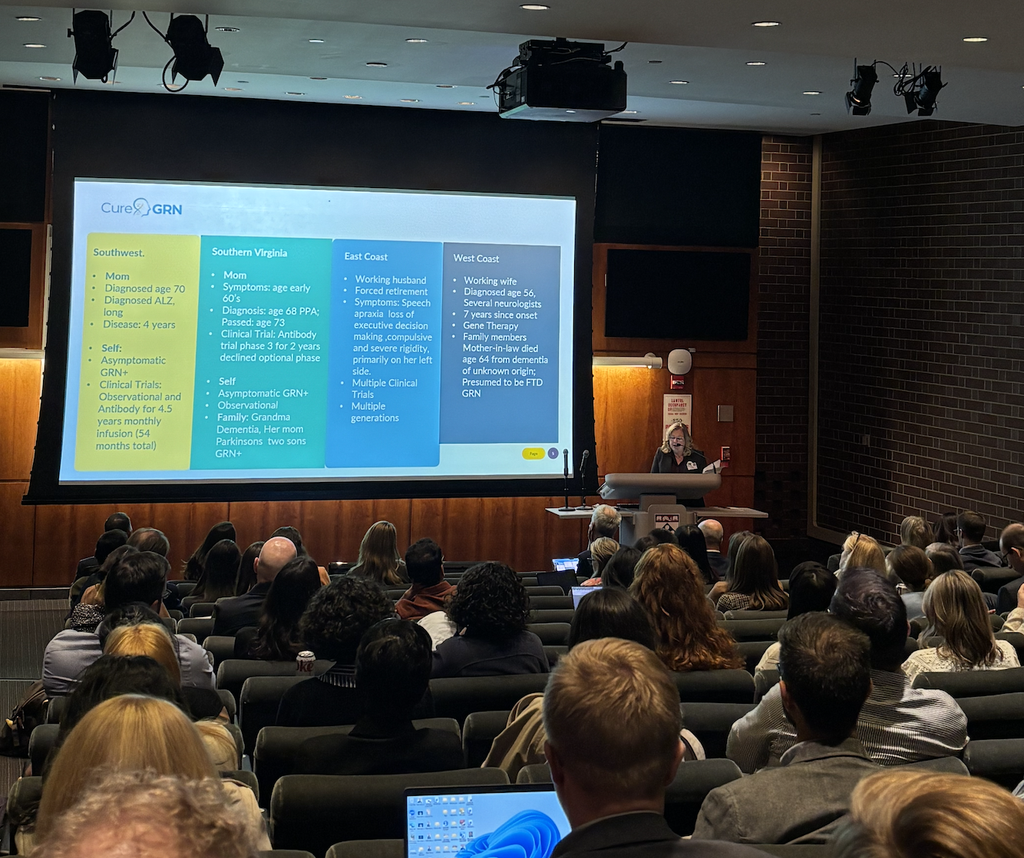
The session concluded with a moving and powerful talk from Wanda Smith, who leads CureGRN, an advocacy group supporting families affected by GRN-related FTD. She shared their recent work with the US Food and Drug Administration (FDA), advocating for more flexible clinical trials and ensuring that families have a voice in decisions about future treatments. She also highlighted survey findings reflecting families’ concerns about placebo-controlled procedures, providing an important reminder of the people at the heart of this research. Read more about their work on the CureGRN website.
Conclusion: A Hopeful Future
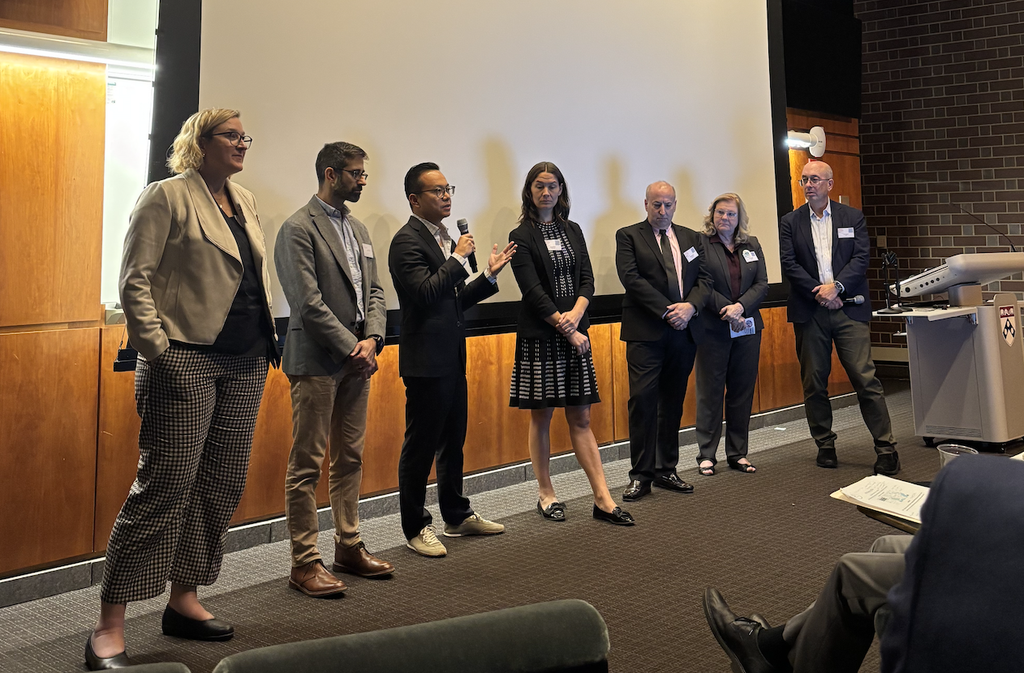

The meeting concluded with a panel discussion that brought together perspectives from researchers, industry, and advocacy groups. The discussion highlighted the importance of learning from previous trials, working together across the FTD community, and keeping the voices of affected individuals and families central to future research.
The meeting provided a fantastic opportunity to reflect on the progress made so far and the challenges still ahead. Thank you to everyone who attended and contributed to such an engaging and inspiring meeting. We look forward to continuing this important work together to advance research and bring us closer to effective treatments for FTD.
If you would like to know more about the FPI and their work, check out the FPI website: https://thefpi.org/

Sophie Farley, on behalf of the FTD talk team.
Keep up to date on all things research by following us on Instagram and X (Formerly Twitter) – @FTDtalk / @GENFI1
