
On March 19th, the FTDTalk team attended the Frontotemporal Dementia (FTD) Seminar, hosted by the Rare Dementia Support team. The annual event is a valuable opportunity for family members to share the...

On Monday, January 27th, the FTD Talk team hosted the first EDiT-FTD meeting in London. This working group funded through the EU Joint Programme – Neurodegenerative Disease Research (JPND) brought t...

Recently, members of the FTDtalk team were a part of an exciting project, whereby a Genetic Frontotemporal dementia Initiative (GENFI) study research visit was filmed for the Chann...

On May 17th 2024, the genetic frontotemporal dementia initiative (GENFI) study team hosted the inaugural Spring Participant Webinar. Bringing together GENFI participants from across Europe and Canada,...

On September 18, 2024, the Frontotemporal dementia Prevention Initiative (FPI) community gathered in Amsterdam, Netherlands, for its annual meeting. This global event brought together researchers, adv...

Last month, the GENFI team travelled to Amsterdam to attend the International Symposium of frontotemporal dementia (ISFTD) 2024, a four-day conference dedicated to the latest research on fro...
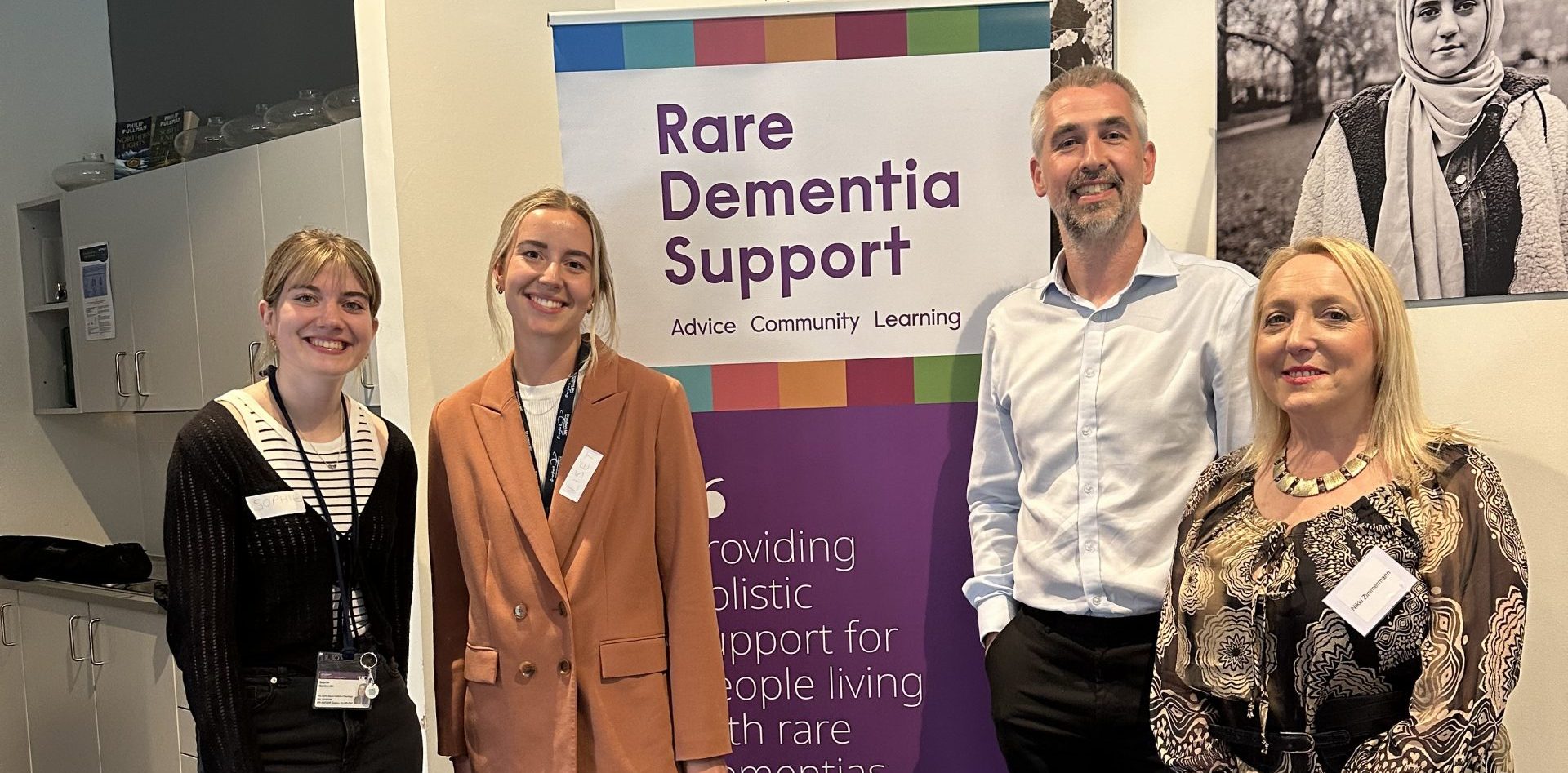
Every year, alongside Nikki Zimmerman and the Rare Dementia Support (RDS) team, we organise a support group meeting for families living with familial frontotemporal dementia (fFTD). This is a fantasti...
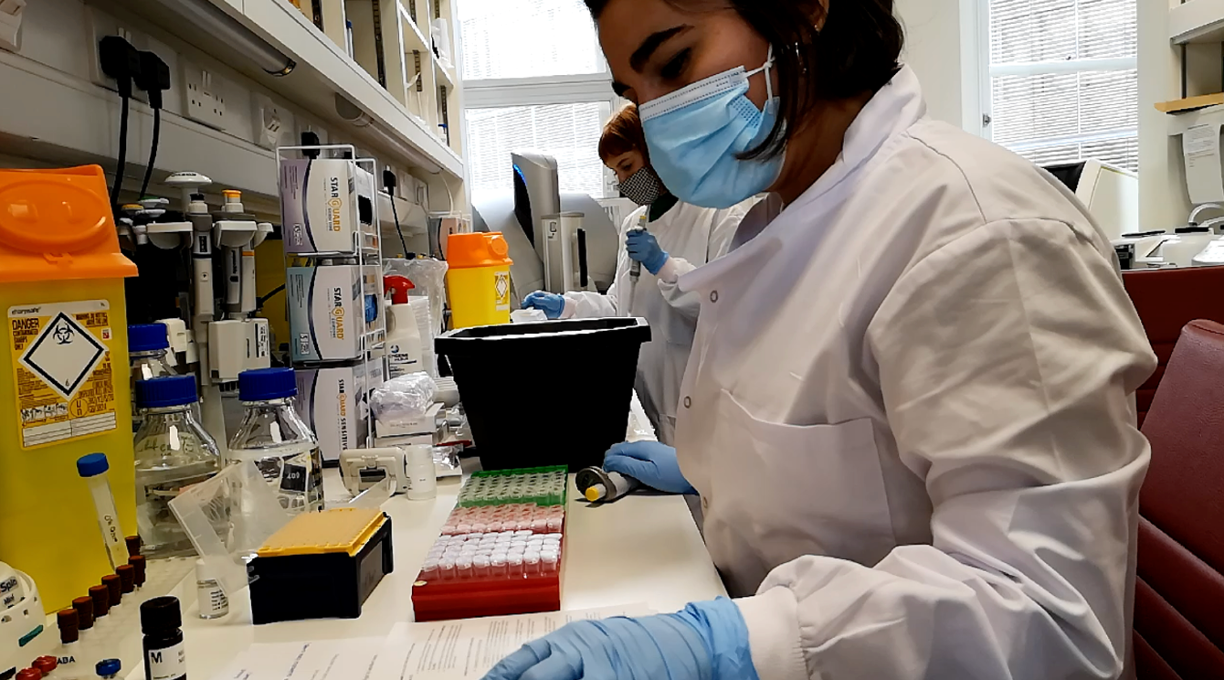
What are fluid biomarkers and what are they used for? Fluid biomarkers typically refer to proteins in the blood or cerebrospinal fluid (CSF) that inform us of disease onset and progression. Importa...
The 24th of September to the 1st of October marks the commencement of World Frontotemporal Dementia (FTD) Awareness week. As part of this, the Association for Frontotemporal Degeneration (AF...
Congratulations to Rhian Convery and Mica Clarke from the FTDtalk team, who have both recently completed their PhDs after successfully defending their theses. Rhian's work focused on...
